
From AI Curiosity to Enterprise Transformation
How ACG connected business, government, academia, technology and international partners around practical AI adoption in Egypt — anchored in Solar & Storage Live Egypt 2026 and the Solar AI Hackathon.
Download the full PDFOpen in the interactive readerاقرأ بالعربية
AI transformation is an operating-model challenge
Across ACG’s AI transformation, innovation and ecosystem initiatives, one pattern keeps emerging: organizations are increasingly aware of AI, but many still struggle to turn awareness into governed, measurable business value.
The core question is no longer “What can AI do?” — it is “Where should we apply it, who should own it, and how do we scale it responsibly?”
The ACG response
ACG designed a practical transformation model that starts with business problems, builds leadership and workforce AI fluency, prioritises use cases, enables rapid prototyping, embeds responsible-AI governance, and connects organizations to a wider cross-sector ecosystem.
- Fluency: build executive and workforce understanding.
- Use cases: translate friction into high-value AI opportunities.
- Governance: define risk, accountability and human oversight.
- Ecosystem: connect business, public sector, academia and technology.
Applied anchor: the renewable-energy ecosystem
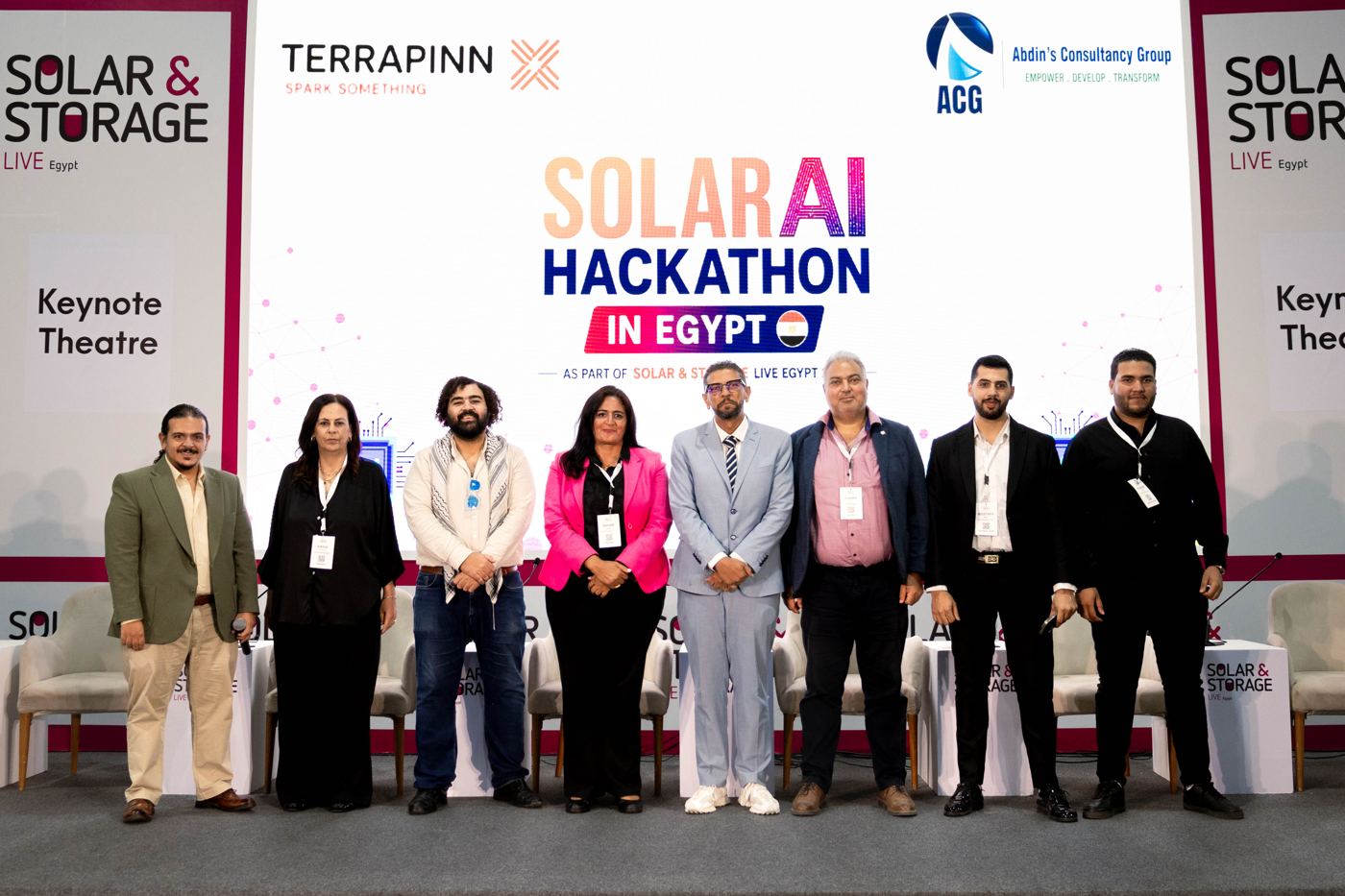
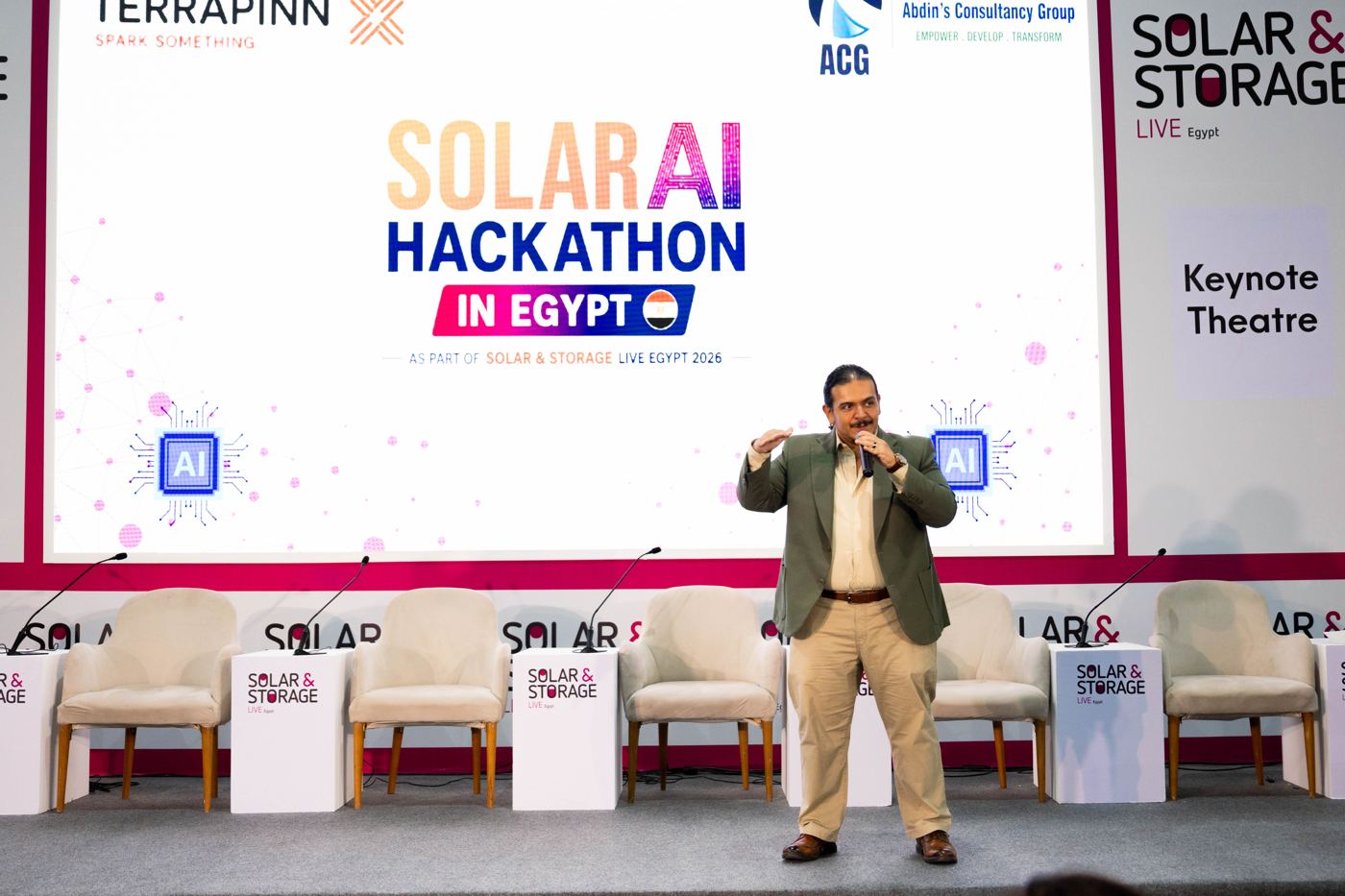
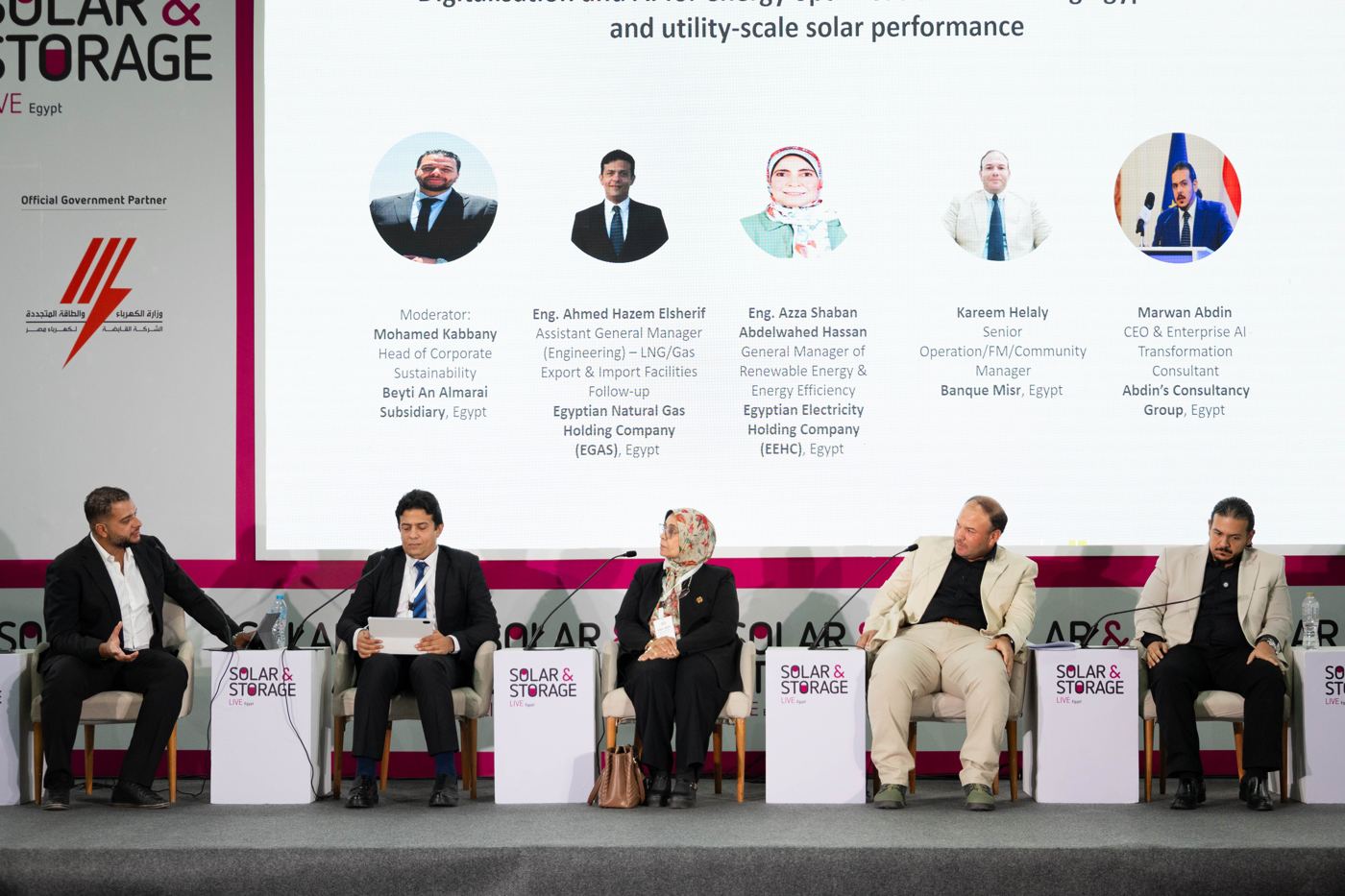
A visible demonstration was ACG’s role as AI & Innovation Partner around Solar & Storage Live Egypt 2026 and the Solar AI Hackathon. The setting was deliberately useful: it showed that AI is not only for software companies, but also for asset-heavy, operational and highly physical industries.
- It addresses AI through company performance, jobs, leadership and competitiveness — not technology hype.
- It shows what “rewiring the company around AI” can look like in practice.
- It shows how private-sector adoption grows stronger with a connected ecosystem of public institutions, academia, responsible-AI experts, technology providers and international partners.
- It answers the practical question every leader asks: “So, what do I do about it?”
The challenge: translation, not access
Many organizations had already met generative AI tools. The harder task was translating experimentation into enterprise decisions: where AI creates value, what data is needed, how workflows should change, which risks matter, and how leadership should govern adoption.
Common adoption gaps
- Tool-first thinking: starting with platforms and prompts rather than a clearly defined business problem.
- IT-only ownership: treating AI as a technology project instead of a cross-functional transformation agenda.
- Pilot proliferation: disconnected experiments without a prioritised use-case portfolio or logic for scaling.
- Weak ROI discipline: measuring usage and excitement rather than revenue, cost, cycle time, quality or decision outcomes.
- Workforce anxiety: framing AI only as job displacement instead of redesigning tasks, roles and decision rights.
- Governance lag: adoption moving faster than policies for confidentiality, validation, accountability and human oversight.
Some of AI’s largest economic gains will come not from AI-native companies, but from traditional businesses learning to augment the operations, decisions and people they already have.
The intervention: from awareness to adoption
- Build AI fluency: a shared leadership and workforce understanding of generative AI, predictive AI, automation, agents, limitations and responsible use.
- Start with business friction: find where the organization is losing time, money, information, consistency or decision quality.
- Prioritise use cases: judge opportunities on business value, feasibility, data readiness, risk and measurability.
- Prototype rapidly: use modern AI, automation and low-code tools to shorten the distance from idea to testable solution.
- Govern from the start: privacy, confidentiality, validation, cybersecurity, IP, bias, transparency, human review and accountability.
- Measure and scale: set baseline KPIs, evaluate pilots, stop weak initiatives and scale what creates measurable value.
The use-case lens in renewable energy
- Predictive maintenance: spot equipment issues before they become costly downtime.
- Energy optimisation: analyse generation, consumption and operational performance.
- Smart monitoring: turn fragmented operational information into clear dashboards, alerts and decision support.
- Sustainability reporting: reduce the manual effort of organising operational and environmental information.
- Knowledge management: faster access to technical procedures, policies and organizational knowledge.
- Commercial operations: market intelligence, lead qualification, proposals and customer communication.
ACG’s use-case prioritisation test
Before an AI concept moves forward, it must pass five filters: business value (is the problem material enough?), feasibility (can it realistically be built and integrated?), data readiness (is the information available and usable?), risk and governance (what happens if the system is wrong, biased or insecure?) and measurability (which KPI will prove value?).
Business problem → process → data → risk → KPI → controlled pilot.
An AI ecosystem, not just an AI event
AI transformation cannot be solved by technology companies alone. ACG deliberately brought cross-industry and cross-sector stakeholders into one conversation:
- European Union — international and development cooperation: global frameworks, sustainability and innovation.
- MSMEDA (Micro, Small and Medium Enterprise Development Agency) — SME development, entrepreneurship and economic inclusion.
- Industrial Modernization Center (IMC) — industrial competitiveness, modernisation and productivity.
- The American University in Cairo (AUC) — research, talent and academia–industry connection.
- MENA Observatory on Responsible AI — responsible AI, policy, governance and ethics.
- Université Senghor — capacity building and regional knowledge exchange.
- Partners of Success — entrepreneurship support and ecosystem connectivity.
- Cloudilic — technology capability and implementation perspectives.
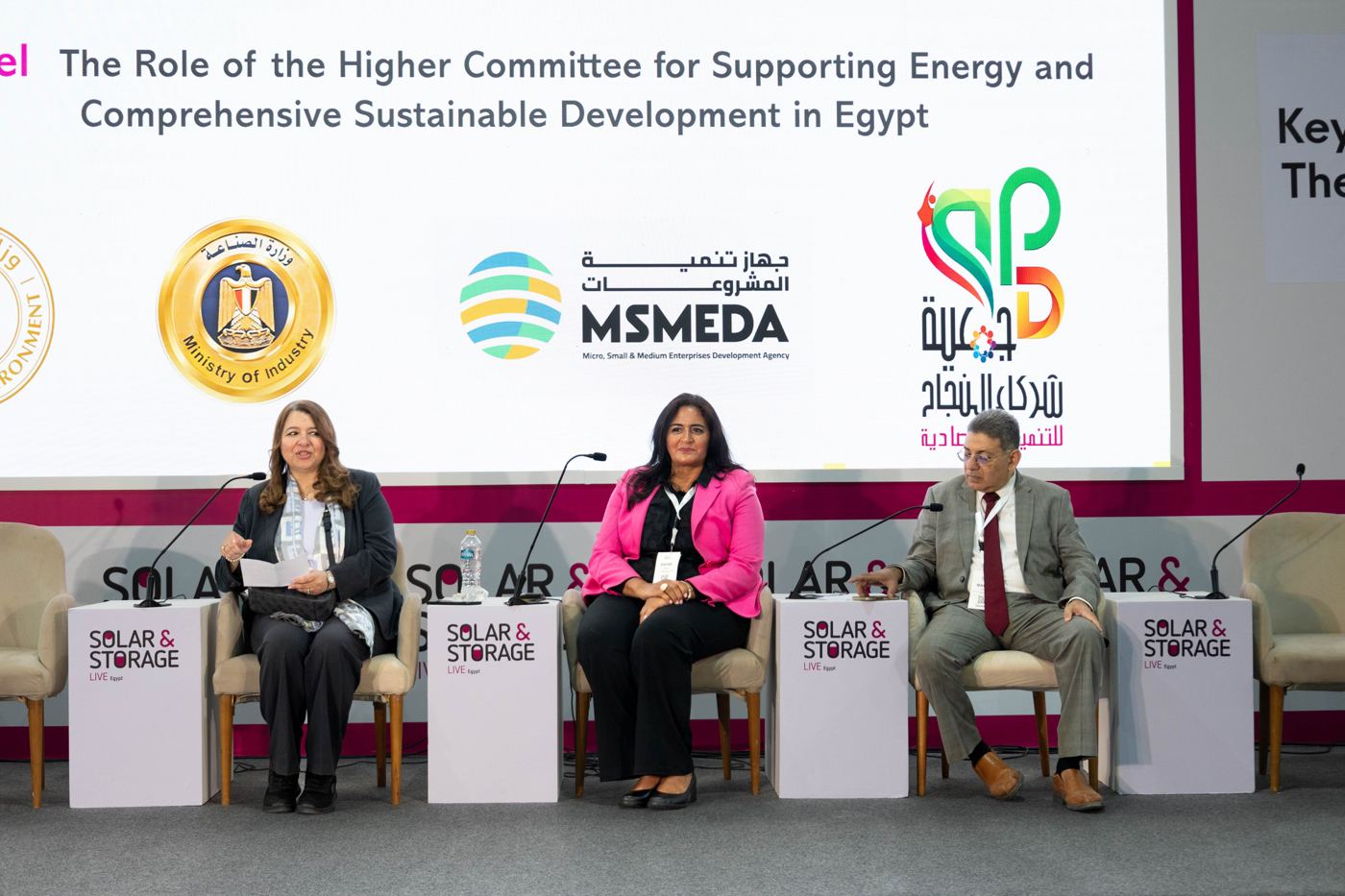
Instead of government, academia, technology providers and businesses each talking separately, ACG created one shared conversation around practical enterprise AI transformation.
From consultant to ecosystem orchestrator
ACG’s contribution went beyond consulting and training: it created the connective tissue between stakeholders who each held a different piece of the puzzle — business and industry, public institutions, academia, responsible-AI institutions, technology partners, entrepreneurs and international partners.
These perspectives met around one shared language — enterprise AI transformation — so ideas moved through a practical chain: industry challenge → AI fluency → cross-sector exposure → use-case identification → prototype → expert evaluation → responsible AI → business application.
No single institution can solve AI transformation alone. The business may know the problem but not the technology; the technology provider the tool but not the industry; academia the research but not the operating context; policymakers the safeguards but not daily workflows. ACG’s model creates structured intersections between them.
What ACG learned: five management questions
- Who owns AI? It cannot live only inside IT, but unrestricted departmental experimentation creates fragmentation and risk. Organizations need cross-functional ownership and clear decision rights.
- Which use cases deserve investment? Manage AI as a portfolio, prioritised by value, feasibility, data readiness, risk and measurable outcomes.
- What happens to people? Ask which tasks in each role can be augmented, automated or redesigned — and what higher-value work people should then own.
- How do we measure ROI? Adoption metrics are not business outcomes. AI must connect to revenue, cost, productivity, turnaround time, quality, customer experience, downtime or decision quality.
- How do we govern adoption? Employees will use AI whether or not the strategy is finished. Governance must make adoption safe, productive and accountable rather than simply trying to stop it.
AI transformation is rarely primarily an AI problem. It is an organizational design, leadership, workforce and governance problem enabled by technology.
The implication for Egypt
The opportunity is not only to create AI companies, but AI-enabled Egyptian companies. Egypt already has the ingredients — strong businesses, universities, entrepreneurs, technology talent, public institutions, development organizations, SME-support structures and international partnerships. The task is to connect them around clearly defined economic problems in banking and financial services, manufacturing, retail, energy, tourism, agriculture, logistics, healthcare and professional services.
The CEO’s Monday-morning AI agenda
- Identify the 10 highest-friction business processes.
- Ask which could materially improve through AI, automation or decision intelligence.
- Select three priority use cases — not thirty.
- Assign a business owner, not merely a technology owner.
- Establish baseline KPIs before implementation.
- Define basic responsible-AI rules before scaling employee adoption.
- Pilot quickly in controlled environments.
- Measure the economics and operational impact.
- Stop what does not work.
- Scale what does.
AI becomes economically meaningful when technology, business, people, policy and institutions move together. ACG’s role is to help create that alignment and translate it into execution.
In pictures: Solar & Storage Live Egypt 2026 and the Solar AI Hackathon
Select any photo to view it full-screen.
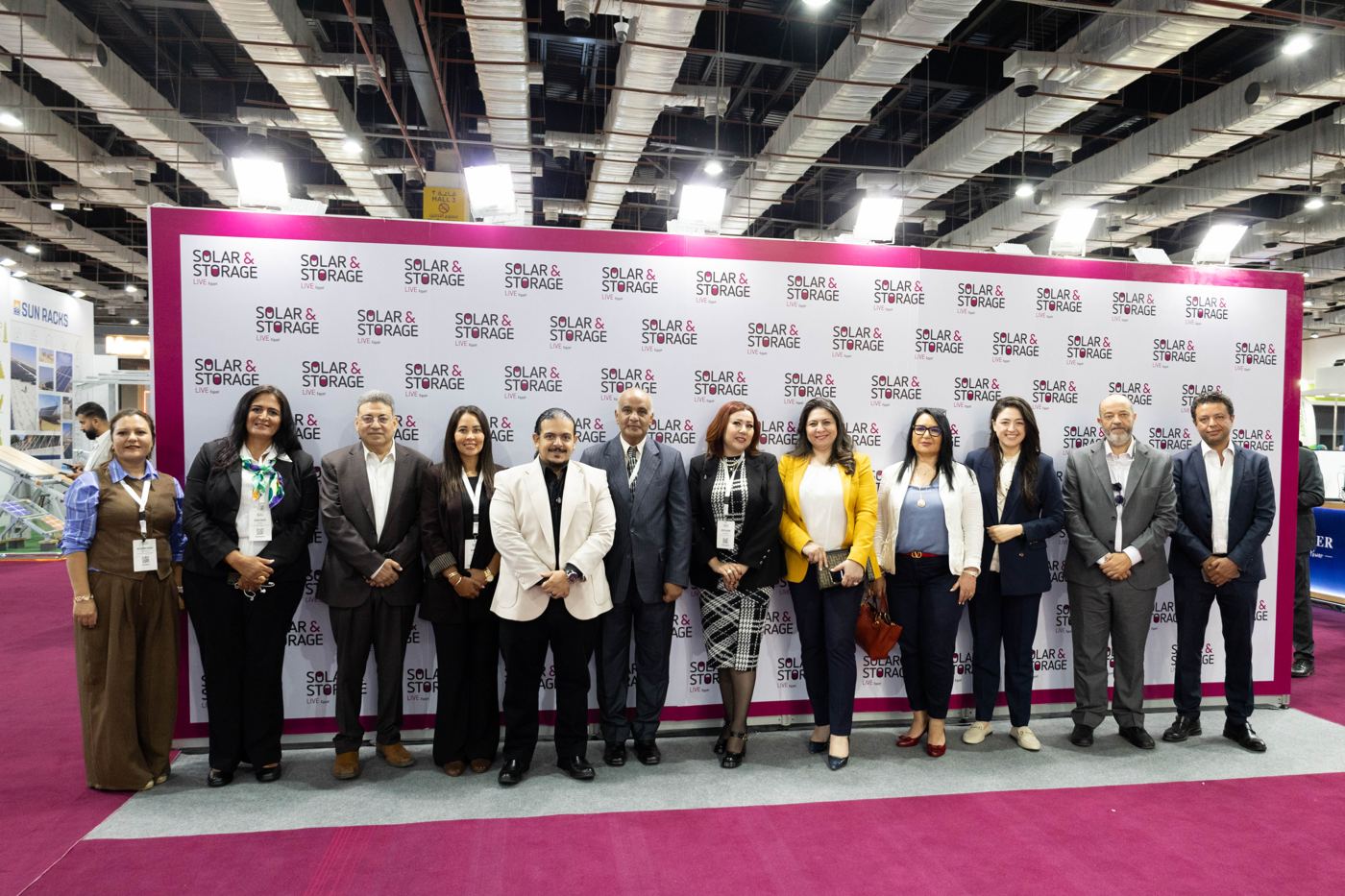 ACG with ecosystem partners at Solar & Storage Live Egypt 2026
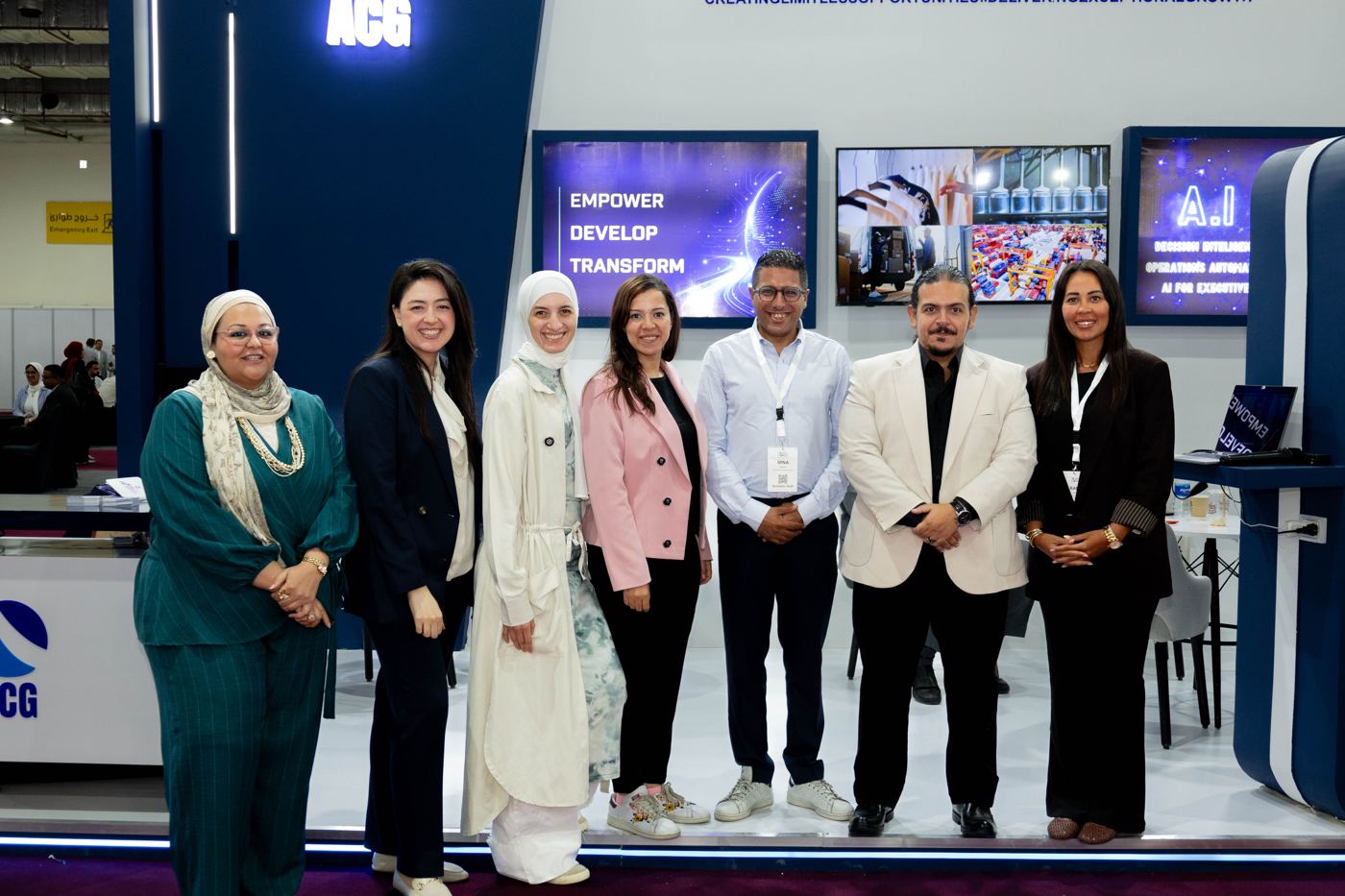 The ACG team at the ACG stand
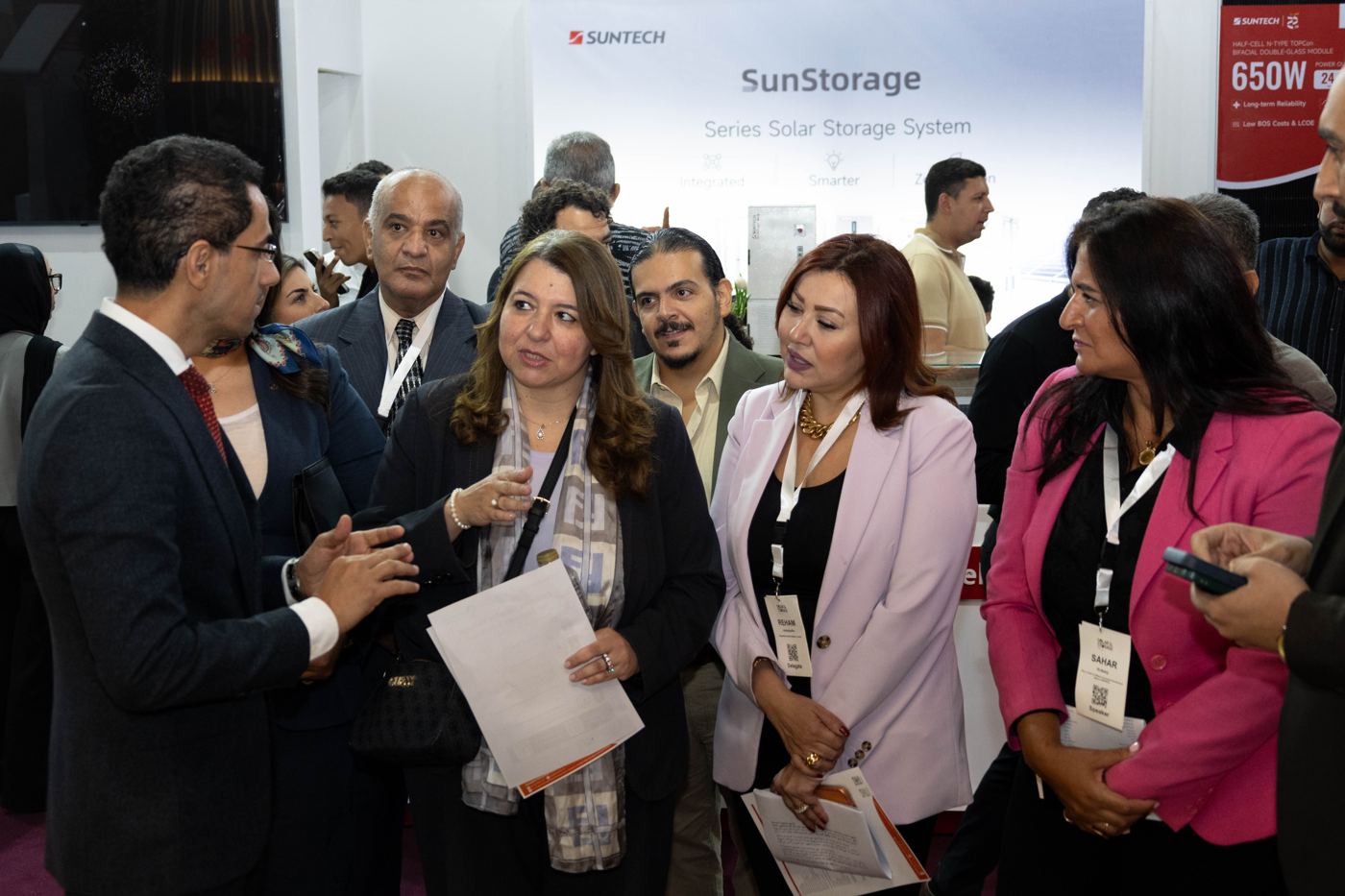 Touring the exhibition floor with public-sector and ecosystem partners
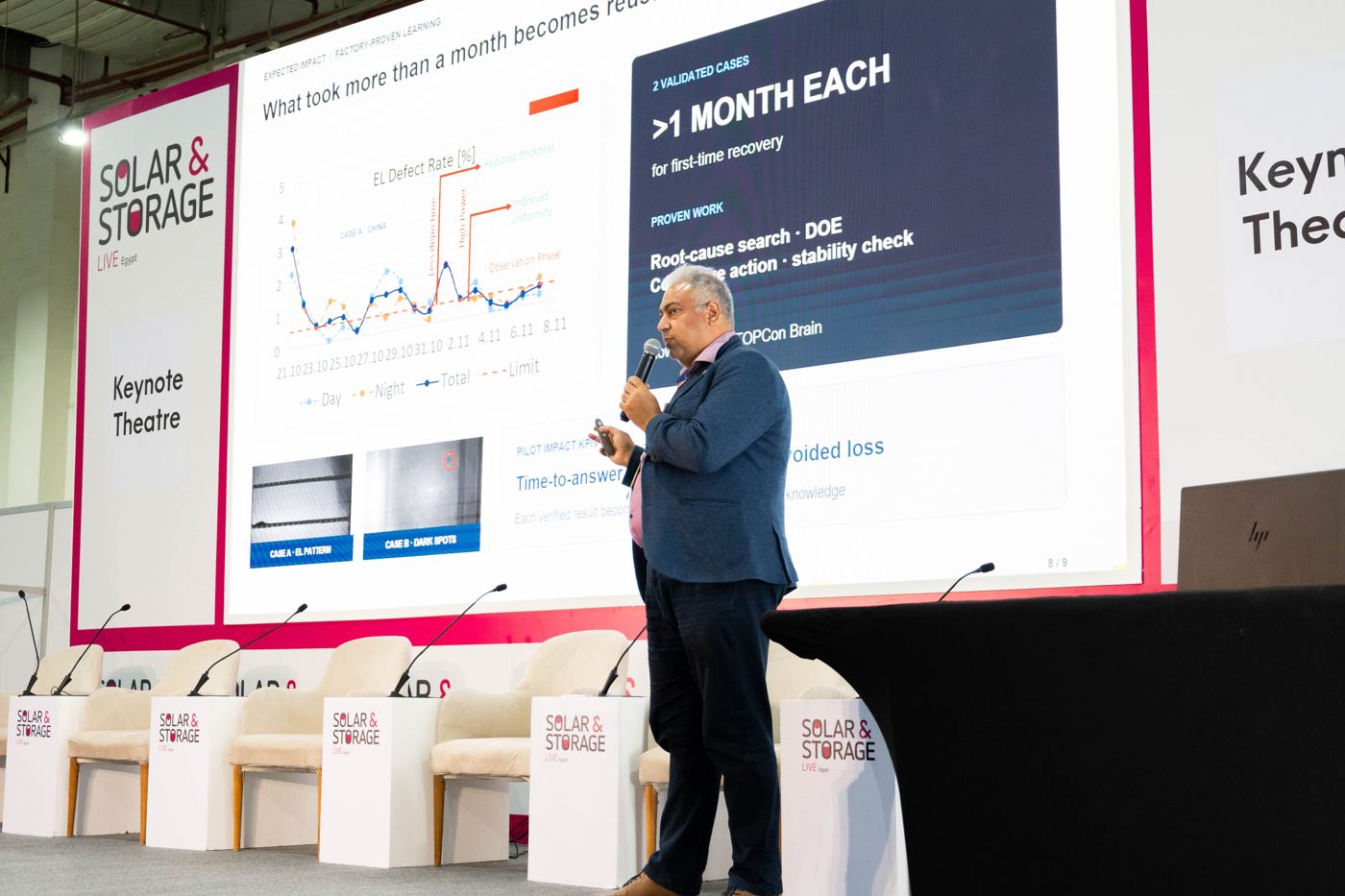 Solar AI Hackathon: AI-assisted root-cause analysis in solar manufacturing
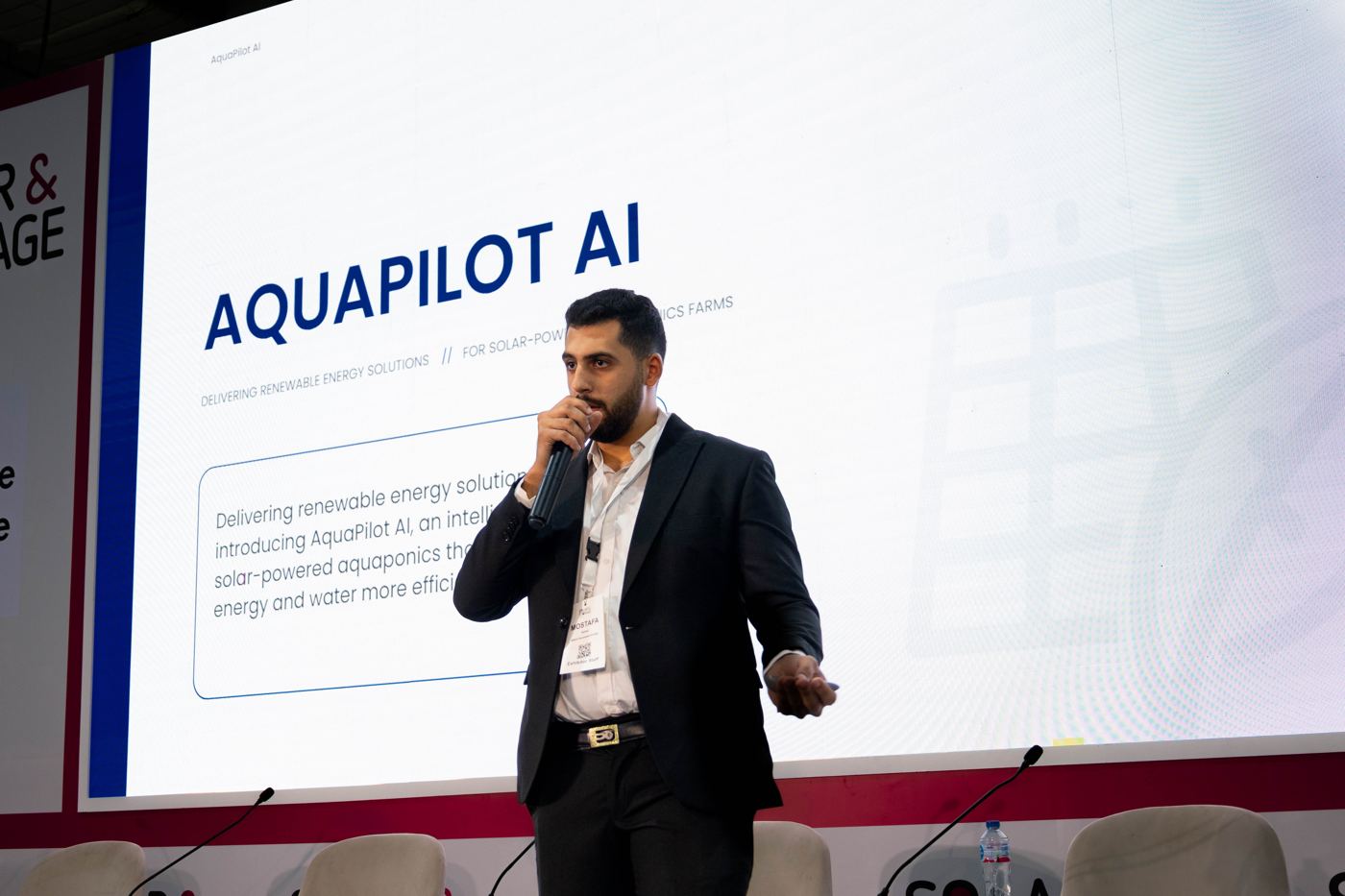 Solar AI Hackathon: AquaPilot AI for solar-powered aquaponics